| A Call from Sydney for Lebanese Unity: Protecting the Homeland Must Come Before Divisions |
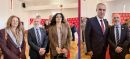
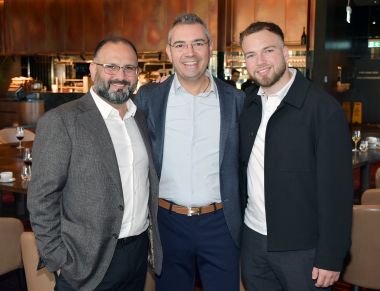
Mr Wadih Akal (C) with Richard G. Andary and his son George Junior **
“We protect our land by creating jobs that allow its people to stay—not through speeches urging them not to sell, but by ensuring they are never forced to sell the legacy of their parents and grandparents.”
|
A Call from Sydney for Lebanese Unity: Protecting the Homeland Must Come Before Divisions
12 November 2026
Sydney – Middle East Times Int’l: Businessman Richard J. Andary, known for his loyalty and consistent commitment to unity, hosted a luncheon in honour of lawyer Wadih Akel, who was visiting from Lebanon. Several businesspeople and friends attended, including Ambassador Charbel Macaron.
During the gathering, Richard delivered brief remarks calling for unity and an end to religious and political divisions. He stressed that the dangers facing Lebanon demand that the national interest take precedence over internal disputes.
He compared Lebanon to a house whose family members are arguing over rooms and keys while its walls crack and neighbours seize parts of its garden. He warned that continued conflict could lead to the loss of everything they seek to protect.
He praised Akel’s efforts to raise critical issues, including money laundering, the refugee situation, inflation and the hardships facing the Lebanese people. He emphasised the importance of keeping people informed and ensuring their concerns remain central to public attention.
Richard reiterated that the gathering’s central message was unity, saying: “We do not want division over religion, and we do not want division over politics. We need unity and solidarity.”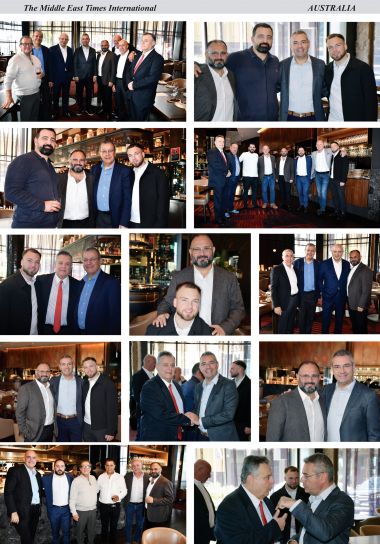 ** Wadih Akel: "Invest in Lebanon’s Young People So They Can Remain in Their Homeland"
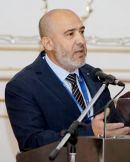
In his address, lawyer Wadih Akel thanked Richard and those present, noting that many Lebanese had been forced to leave their homeland because of war and economic hardship, after the country failed to provide an environment in which they could work and live with dignity.
He criticised politicians who view citizens merely as votes, stressing that politics carries a responsibility to develop and protect the country. He also praised the success of Lebanese Australians, saying they had built a model that reflects Lebanon’s capabilities and helps sustain its resilience.
Akel called for diaspora support to be channelled into sustainable investments that create jobs, rather than being limited to assistance consumed by everyday expenses. He focused on employing young Lebanese specialists in information technology and artificial intelligence to work remotely from their towns and villages.
He explained that Lebanon has talented professionals sought after by international companies, yet many are compelled to emigrate to find work. Businesspeople abroad, he said, could benefit from their expertise while enabling them to remain in Lebanon, stimulating local economies and revitalising villages.
He cited an initiative in which he helped secure employment for eight young men, saying it had resulted in twenty additional homes being occupied in one village within a year. He offered to help connect companies with suitable professionals free of charge.
Akel concluded that protecting the land requires giving its owners the means to remain, because many sell their properties out of financial necessity, rather than any desire to relinquish the legacy of their parents and grandparents. |