|
|
|
| US–Iran War at Breaking Point: No Victory, No Peace, No Way Out |
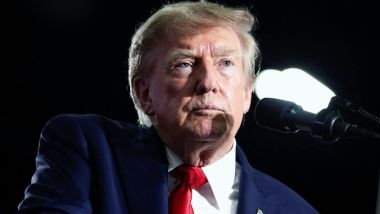
US President Donald Trump **
“Peace will remain out of reach while both Washington and Tehran believe
time, pressure and endurance will force the other side to surrender.”
|
US–Iran War at Breaking Point: No Victory, No Peace, No Way Out
28 August 2026
(See translation in Arabic section)
Sydney-Middle East Times Int'l: Six months after launching the war against Iran, US President Donald Trump’s prediction of a swift military campaign has given way to a prolonged and increasingly dangerous confrontation.
Days after the beginning of Operation Epic Fury, Trump described the conflict as a “short-term excursion” that would last no more than four weeks. Half a year later, however, a failed ceasefire and continuing tensions have left the United States and Iran locked in a war of attrition, with experts warning that prospects for a negotiated settlement remain bleak.
Washington has now shifted its focus from sustained military action to intensified economic pressure. The White House announced what it described as an “economic D-Day”, threatening sanctions against countries that continue doing business with Iran.
Iranian President Masoud Pezeshkian Tehran, meanwhile, is presenting the conflict as a victory. Iranian President Masoud Pezeshkian declared that the international community had recognised Iran’s success while the United States had become increasingly unpopular.
Despite these competing claims, analysts believe neither side has achieved a decisive advantage. Both appear convinced that time is working in their favour and that the other will eventually weaken under mounting economic, political and military pressure.
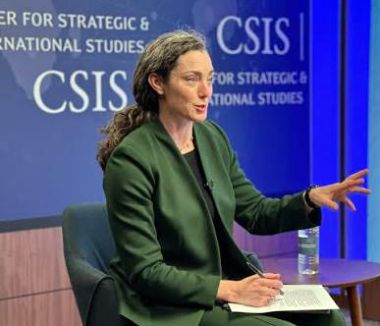
Allison Minor Allison Minor, a former director for Arabian Peninsula affairs at the US National Security Council, said the conflict was settling into a war of attrition.
“Both sides seem to think that time is on their side and that they will be able to secure better terms as the other side is worn down by economic and political pressure,” she said.
Lessons from the Failed Ceasefire
Hopes for an end to the conflict emerged on June 18, when the United States and Iran signed a memorandum of understanding establishing a 60-day pause in fighting while negotiations proceeded towards a permanent settlement.
Those hopes quickly faded.
US President Donald Trump Only days later, Trump threatened renewed military action if Iran refused to keep the Strait of Hormuz open. Iran subsequently attacked vessels that did not follow its approved route through the strategic waterway. By July 8, Trump declared the ceasefire over.
Experts say the failed agreement demonstrated the danger of relying on vague language without establishing clear obligations, enforcement mechanisms or accountability measures.
Washington argued that the Strait of Hormuz must remain open to unrestricted international shipping. Tehran, however, interpreted the agreement as allowing it to control passage through the waterway. Both sides proved willing to enforce their competing interpretations, making the collapse of the ceasefire almost inevitable.
 Emily Harding Emily Harding
“The Iranians are extremely capable negotiators and understand that, in many cases, they can outlast their opponent,” she said.
Mediators have continued attempting to revive diplomacy, but their task is complicated by the belief in both capitals that they hold the stronger position.
Naysan Rafati, senior Iran analyst at the International Crisis Group, said Washington believes sanctions will gradually weaken Tehran and that military action remains available if required. Iranian leaders, meanwhile, believe the Trump administration faces growing domestic pressure ahead of the US midterm elections and may seek an early exit from the conflict.
When both parties believe they have the upper hand, Rafati said, returning diplomacy to the centre of the process becomes an uphill battle.Elizabeth Dent The Difficult Road Back to Diplomacy
A return to direct negotiations would require concessions neither side currently appears willing to make.
Elizabeth Dent, a US foreign and defence policy expert who previously served in several Pentagon roles, said meaningful talks were unlikely until Washington’s new economic strategy had been given time to take effect—or until both sides concluded that continued escalation was more damaging than compromise.
Even if negotiations resume, major obstacles would remain.
Harding said Washington could pursue traditional diplomacy by combining incentives with credible consequences. The challenge, however, is that the United States has imposed sanctions on Iran for decades, making it difficult to persuade Tehran that additional measures would fundamentally change its position.
Military warnings would also need to be credible enough to influence Iran’s calculations without triggering another uncontrolled escalation.
At the same time, the incentives Tehran is likely to demand—including the unfreezing of Iranian assets and assistance in rebuilding critical infrastructure—are concessions the Trump administration may be reluctant to offer.
Minor said successful peace negotiations require both parties to believe they will be better off under an agreement than through continued conflict. Any settlement must also contain clear provisions capable of holding both sides accountable for their commitments.
Neither condition, she warned, has yet been established.
Can Washington’s Economic Campaign Succeed?
The prolonged confrontation has raised concerns that the Iran conflict could develop into another “forever war”. Experts consider a decades-long deployment similar to Afghanistan or Iraq unlikely because Washington has ruled out sending ground troops and Trump remains reluctant to undertake lengthy foreign interventions.
Nevertheless, the conflict could become a continuing cycle of sanctions, threats and periodic military exchanges—particularly between Iran and Israel.
The Trump administration has strong political reasons to seek an end to the war. The conflict is becoming a domestic liability ahead of the midterm elections. Yet Washington also faces pressure not to withdraw before inflicting greater damage on Tehran or resolving the dispute over the Strait of Hormuz.
Iran has demonstrated that it can use the strait to disrupt international shipping and exert pressure on both the United States and the global economy. This strategic leverage is unlikely to be surrendered without substantial concessions.
Several analysts nevertheless believe Washington’s intensified economic campaign could eventually create the pressure needed to bring Iran back to serious negotiations.
.jpg) Naysan Rafati Naysan Rafati
If Washington’s stated objective remains Iran’s collapse or capitulation, the campaign may instead persuade the Iranian leadership to intensify its resistance.
The decisive question is whether economic pressure reaches Iran’s ruling establishment or merely deepens the suffering of ordinary citizens. Tehran has repeatedly demonstrated that it prioritises the survival of the regime and may tolerate severe national hardship if its leaders believe compromise would threaten their hold on power.
After six months of war, neither military force nor economic coercion has produced a clear path to peace. Unless Washington and Tehran conclude that compromise offers greater security than continued confrontation, the conflict risks becoming a prolonged and volatile struggle with consequences extending far beyond their borders. |
|
|
|
|
|